
TMT – Treadmill Test
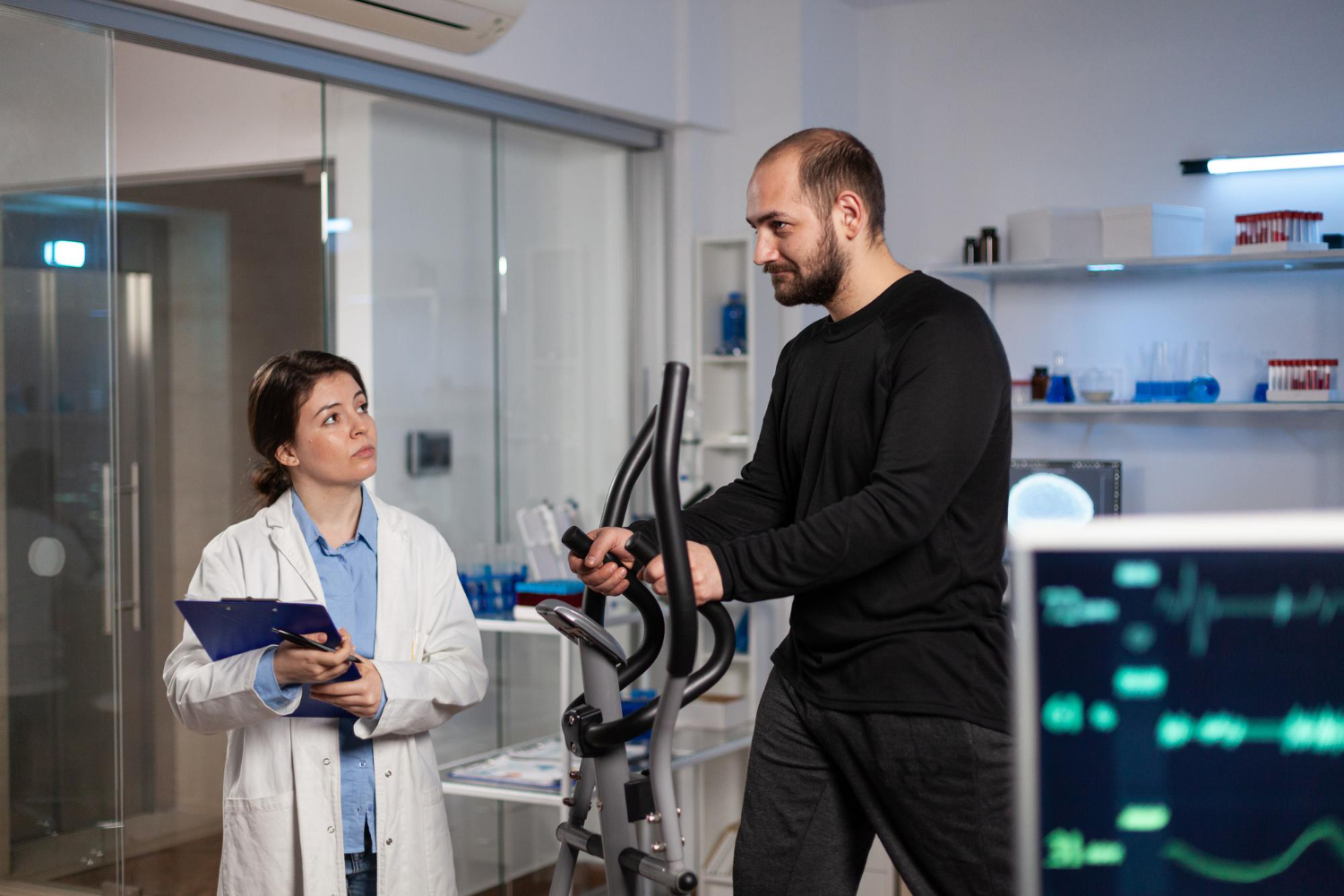
Cardiac Stress Testing for Evaluating Heart Function During Exercise
A Treadmill Test (TMT), also known as an Exercise Stress Test, is a cardiac diagnostic investigation used to observe how the heart responds to physical activity. During the test, the patient walks on a treadmill while their heart rate, blood pressure and electrocardiogram (ECG) are monitored at different stages of exercise.
The test helps doctors evaluate the heart’s response to increased physical demand and may assist in assessing certain cardiovascular concerns. Dr. Maulita P. Kapadia, Consultant Physician, offers TMT as one of the diagnostic services listed in her clinical practice.
What Is a Treadmill Test?
During everyday activities, the heart works harder when the body requires more oxygen. A TMT helps assess the heart’s electrical activity and cardiovascular response as exercise intensity gradually increases.
The test is generally performed under medical supervision, with monitoring equipment connected to the patient throughout the procedure.
The information obtained may help the physician evaluate symptoms and decide whether further cardiac assessment is required.
Why Is a TMT Recommended?
A physician may recommend an exercise stress test depending on the patient’s symptoms, medical history and cardiovascular risk factors.
It may be considered for:
Evaluation of chest discomfort during physical activity.
Assessment of suspected coronary artery disease.
Investigation of unexplained breathlessness during exertion.
Evaluation of exercise-related symptoms.
Assessment of cardiovascular response to physical activity.
Selected cases requiring further cardiac evaluation.
A TMT is not suitable for every patient. The physician determines whether it is appropriate after reviewing the patient’s medical condition.
How Is the TMT Performed?
The procedure generally involves several stages:
1. Initial Assessment
The patient’s medical history, symptoms and current health status are reviewed. Baseline heart rate, blood pressure and ECG readings are recorded.
2. Exercise Monitoring
The patient walks on a treadmill. The speed and incline are gradually increased according to the testing protocol and individual tolerance.
3. Continuous Observation
Heart rate, blood pressure and ECG changes are monitored throughout the test. The medical team also observes how the patient responds to increasing physical activity.
4. Recovery Monitoring
After the exercise stage, the patient rests while monitoring continues until the heart rate and other parameters begin returning towards baseline levels.
Preparation Before the Test
Patients should follow the specific instructions provided by the healthcare team before undergoing a TMT.
General preparation may include:
Wear comfortable clothing and suitable walking shoes.
Inform the physician about existing medical conditions.
Share details of current medications.
Avoid heavy meals immediately before the test, as instructed.
Discuss any recent chest discomfort or breathing difficulties.
Follow medical advice regarding medication adjustments.
Patients should never stop prescribed medicines without consulting their physician.
Understanding the Results
TMT findings are interpreted by considering ECG changes, exercise capacity, heart rate response, blood pressure response and symptoms experienced during the test.
An abnormal or inconclusive result does not automatically confirm a heart condition. Additional investigations may be recommended depending on the clinical findings.
The Importance of Cardiac Evaluation
Cardiovascular health requires attention, especially among individuals with diabetes, hypertension, high cholesterol and other risk factors. Appropriate assessment can help guide further medical decisions.
Book Your Consultation
For information about TMT services and cardiac evaluation, contact Dr. Maulita Kapadia’s consultation clinic.
Other Services
Take the First Step Towards Better Health
Book your consultation with Dr. Maulita Kapadia for expert medical care.