
ECG – Electrocardiogram
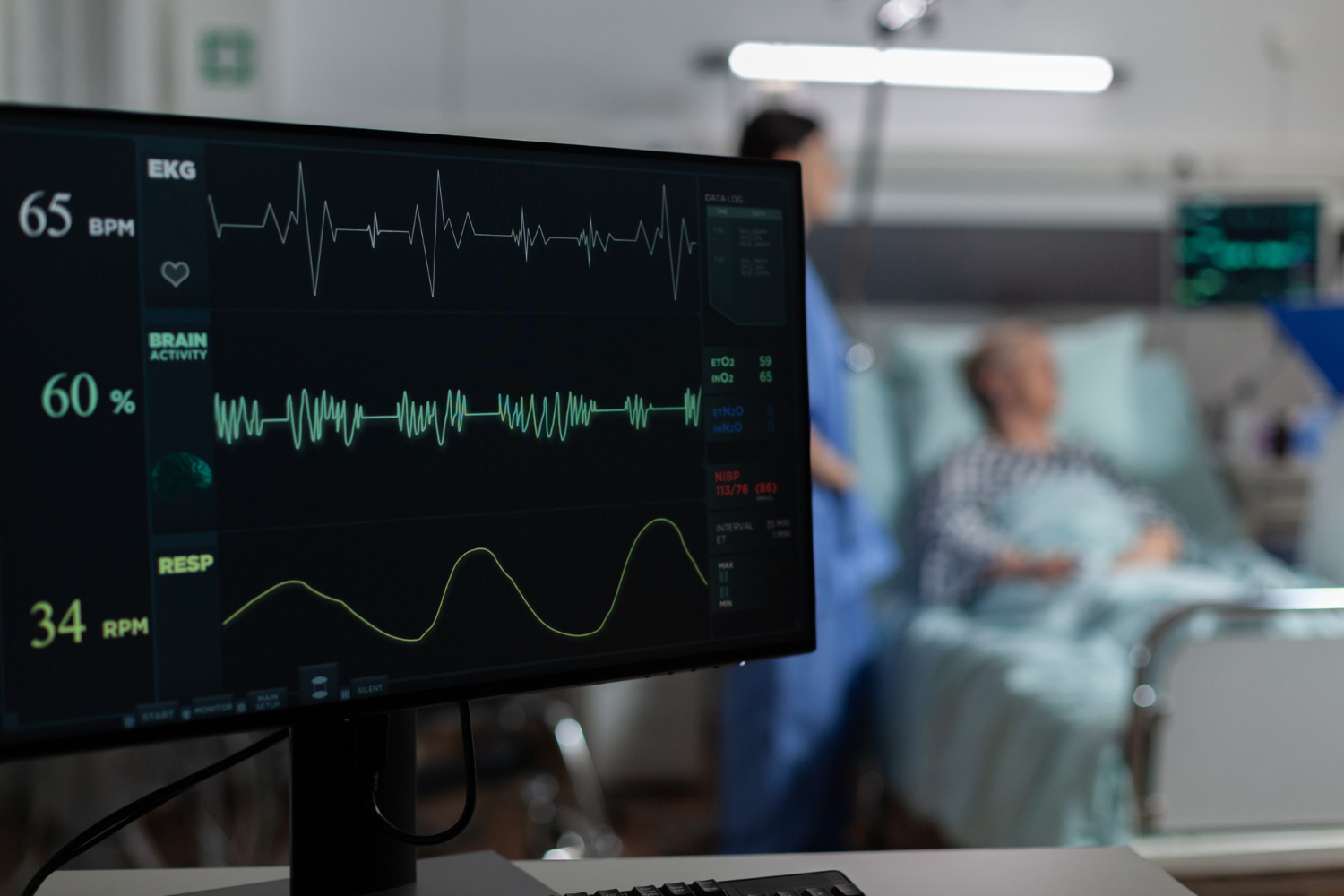
Understanding Your Heart’s Electrical Activity Through ECG Testing
An Electrocardiogram (ECG or EKG) is a commonly used diagnostic investigation that records the electrical activity of the heart. It provides information about heart rate, rhythm and certain electrical patterns that may help physicians evaluate cardiovascular health.
Dr. Maulita P. Kapadia, Consultant Physician, offers ECG as part of the diagnostic services listed in her clinical practice. ECG testing may be recommended during medical consultations when symptoms or health conditions require an assessment of cardiac activity.
What Is an ECG?
The heart produces electrical signals that coordinate its contractions and maintain a regular heartbeat. An ECG records these signals using small electrodes placed on the skin.
The resulting tracing provides a visual representation of the heart’s electrical activity. It helps the physician assess the heart’s rhythm and identify patterns that may require further investigation.
An ECG is a quick, non-invasive investigation and does not involve electrical shocks.
When Is an ECG Recommended?
A physician may recommend an ECG when a patient experiences symptoms or has medical conditions that may affect cardiovascular health.
Common reasons include:
Chest discomfort or pain.
Palpitations or an unusually fast heartbeat.
Dizziness or episodes of fainting.
Unexplained breathlessness.
Suspected irregular heart rhythm.
Evaluation of certain cardiovascular risk factors.
Monitoring selected patients with existing heart conditions.
ECG may also form part of a general medical evaluation when clinically appropriate.
How Is an ECG Performed?
A standard resting ECG is generally performed in a few simple steps.
1. Patient Preparation
The patient is asked to lie comfortably on an examination bed. The skin areas where electrodes will be placed are prepared to ensure proper contact.
2. Electrode Placement
Small adhesive electrodes are attached to specific locations on the chest, arms and legs. These electrodes detect the electrical signals produced by the heart.
3. Recording the Heart Activity
The ECG machine records the heart’s electrical activity while the patient remains still and relaxed.
4. Report Evaluation
The recorded tracing is reviewed by a qualified medical professional. The findings are interpreted alongside the patient’s symptoms and medical history.
What Can an ECG Help Identify?
An ECG may help detect or evaluate:
Certain abnormal heart rhythms.
Changes in heart rate.
Electrical conduction abnormalities.
Patterns that may suggest reduced blood supply to the heart.
Certain changes associated with previous or ongoing cardiac events.
An ECG does not identify every heart condition. Some cardiovascular problems may require additional investigations, such as an echocardiogram, TMT or other cardiac assessments.
Why Is ECG Important for Patients with Diabetes and Hypertension?
Individuals with diabetes and hypertension may have an increased risk of cardiovascular complications. Regular medical evaluation helps physicians assess relevant risk factors and determine whether cardiac investigations are necessary.
An ECG may be recommended as part of this assessment depending on the patient’s medical history and symptoms.
Is ECG Testing Safe?
A standard resting ECG is a non-invasive and generally safe procedure. It does not involve radiation or electrical stimulation of the body.
The procedure is usually completed within a short period, and patients can generally return to their routine activities afterwards.
Understanding Your ECG Report
An ECG report should always be interpreted in the context of the patient’s overall health. A normal ECG does not completely rule out heart disease, while an abnormal tracing does not necessarily indicate a serious condition.
The physician may recommend further assessment based on the findings.
Schedule an ECG Consultation
For ECG testing and medical evaluation, contact Dr. Maulita Kapadia’s consultation clinic to enquire about availability.
Other Services
Take the First Step Towards Better Health
Book your consultation with Dr. Maulita Kapadia for expert medical care.